Suggested read: How to Fix a 502 Bad Gateway Error
Table of Contents
Start your free RunCloud trial today and spend less time troubleshooting.Seen a “401 Unauthorized” or “Access Denied” message when visiting a website?
Here’s how to do it on popular browsers:
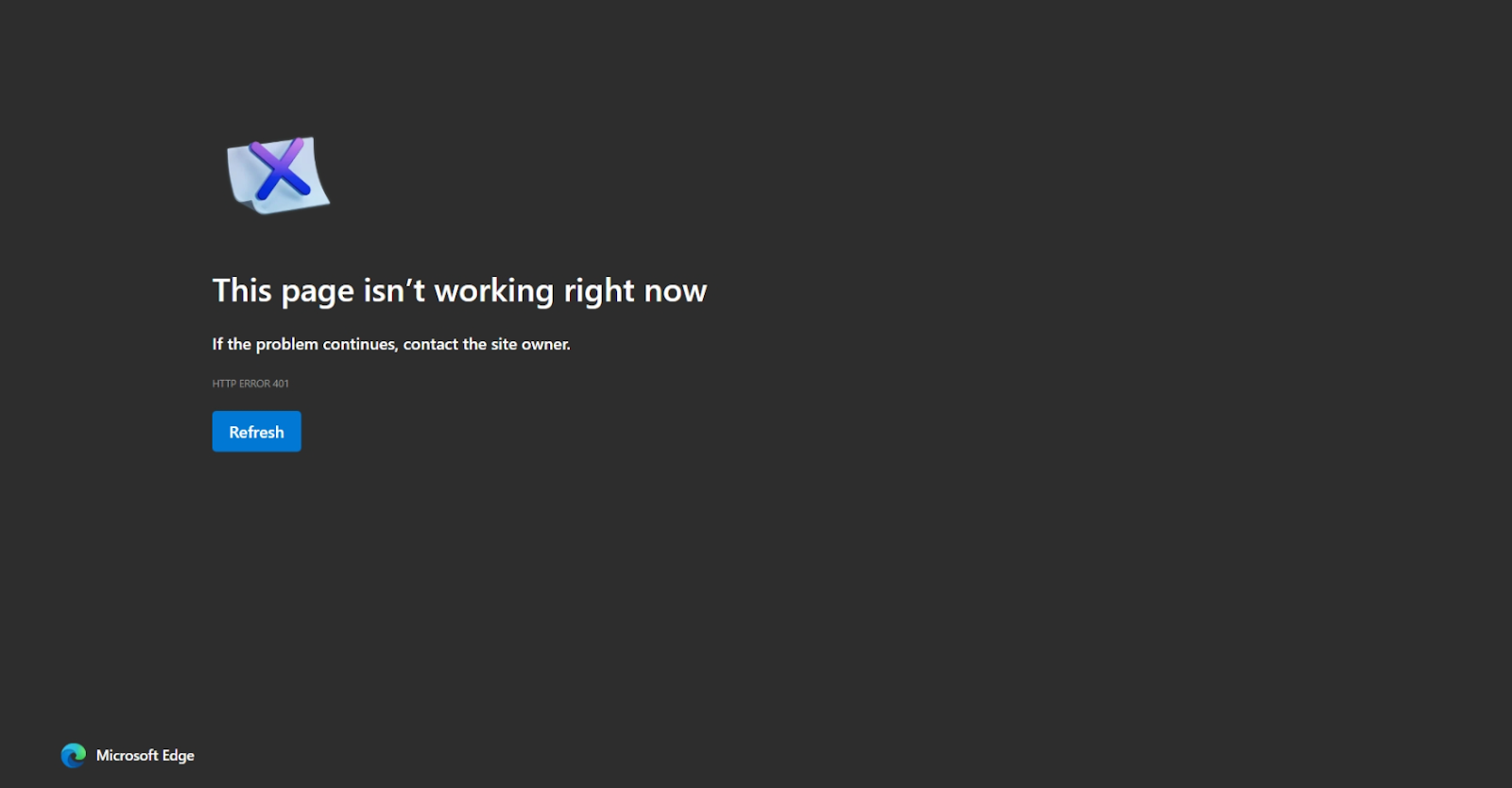
- “401 Authorization Required”
- “HTTP 401 Error – Unauthorized”
- “Access Denied”
After clearing the data, close your browser completely, reopen it, and try logging in again.
401 vs. 403 Errors – What’s the Difference?
This information will help them identify and resolve the issue much faster.
| 401 Unauthorized Error | 403 Forbidden Error | |
| Issue | Authentication Failure: The server cannot verify your identity. | Authorization Failure: Your identity is verified, but you don’t have permission. |
| Your Login Status | You are either not logged in or have provided incorrect credentials (e.g., wrong password). | You are successfully logged in with valid credentials. |
Let’s get started!
Common Reasons for a 401 Error
Include:
1. Incorrect Login Details
This is a client-side error, meaning the problem is caused by the browser sending either incorrect or incomplete credentials to the server.

2. Outdated Browser Cache and Cookies
In this post, we’ve seen that “401 error” is rarely a sign of a major problem. More often than not, it’s a simple miscommunication between your browser and the server, usually caused by a minor issue like a typo, an outdated browser cache, or a conflicting plugin.If none of these steps work, contact the site administrator.
3. An Incorrect URL or an Outdated Link
Storing this information locally is great for website performance, but it can sometimes cause a 401 error. If your browser’s cache or cookies become corrupted or outdated, your browser might send an old, invalid login token to the server. The server, seeing these incorrect credentials, denies you access and returns a 401 error.
4. Plugin or Theme Incompatibility (For Website Owners)
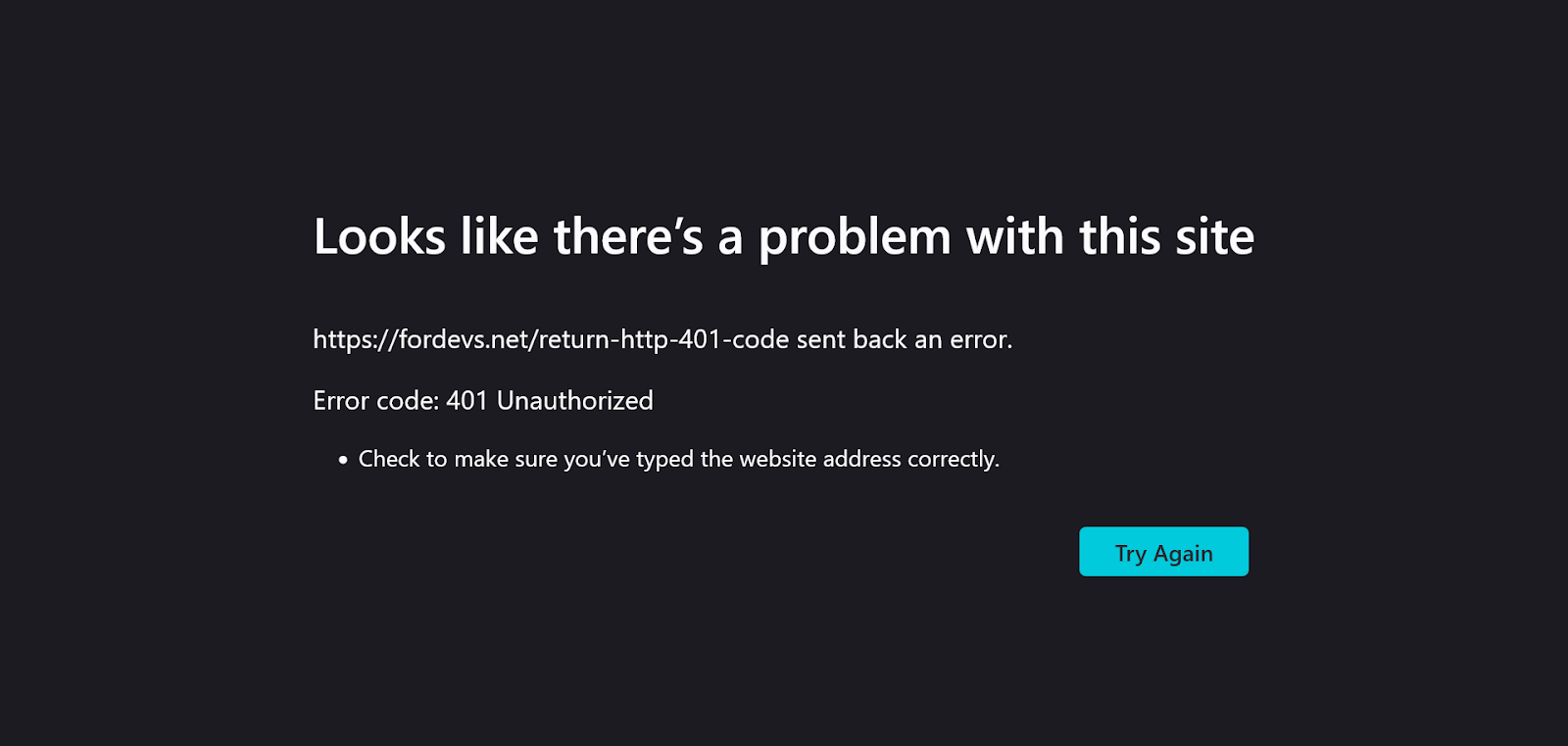
A 401 error happens when the server can’t verify your identity. In most cases, your login credentials are missing, invalid, or expired.
5. Firewall Issues
This is a more technical step. When a server sends a 401 response, it also includes additional headers. These headers contain data that specifies which authentication scheme the server requires (e.g., Basic, Bearer). You can view this header using your browser’s developer tools.
How to Fix a 401 Error (Step-by-Step)
But if you manage multiple sites, dealing with access issues, plugins, and performance can take up valuable time.
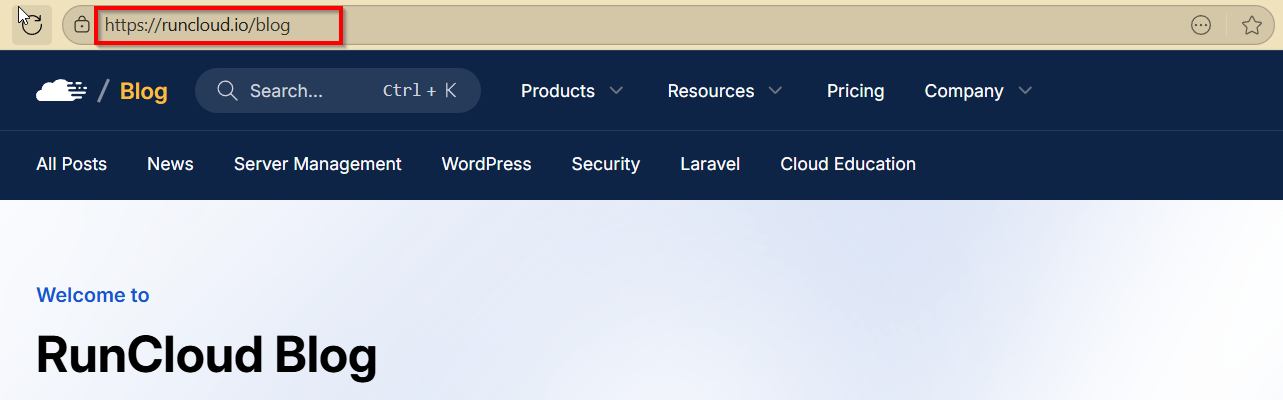
1. Double-Check the URL
Most 401 errors are easy to fix, often caused by old logins, cached data, or a simple typo.
RunCloud helps you focus on your work while it handles the rest – from security to server management.
2. Review Your Login Credentials
Let’s start with the most obvious and common cause: a simple typo. You might have accidentally misspelled your username or entered the wrong password. Check for common mistakes like having Caps Lock on or mixing up similar characters like the number ‘0’ and the letter ‘O.
- Check for typos.
- Ensure your Caps Lock key isn’t on.
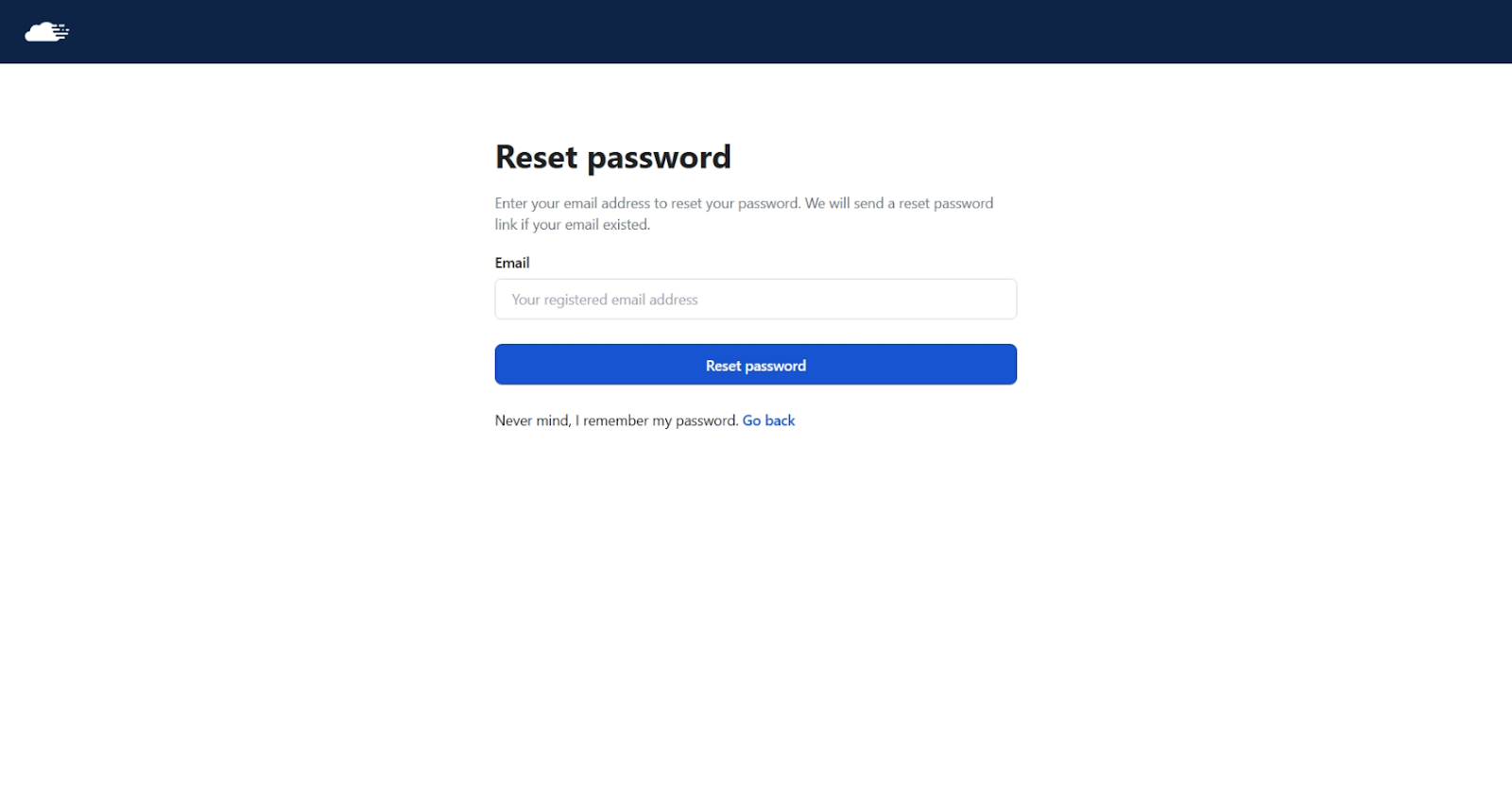
- If you’re still locked out and are not 100% sure of your password, the safest bet is to use the “Forgot Password?” or “Reset Password” link on the login page. This eliminates any guesswork.
3. Clear Your Browser’s Cache and Cookies
The good news: it’s easy to fix. This guide explains what causes the 401 error and walks you through the steps to resolve it quickly.A firewall (either on the website’s server or even on your own network) can cause a 401 error. A Web Application Firewall (WAF) is designed to identify and block suspicious traffic. If it detects what it perceives as a threat from your IP address (perhaps due to multiple failed login attempts), it may block your access to prevent a potential attack, which would result in a 401 Unauthorized response.
- In Chrome or Firefox, open Settings → Privacy → Clear browsing data.
- Select Cookies and Cached images/files, then confirm.
- Restart your browser and try again.
Once you understand what causes a 401 error, fixing it is simple. Follow these steps to resolve the issue and regain access.
4. Deactivate Your WordPress Plugins (For Website Owners)
This may sound overly simple, but an incorrect URL is a frequent cause of this error. Make sure you have typed the web address correctly. Pay close attention to ensure you haven’t accidentally tried to access a page that is restricted to administrators or logged-in users.
- If you can access your dashboard: Navigate to Plugins > Installed Plugins. Select all plugins by checking the top box, and from the Bulk actions dropdown, choose Deactivate. If the error disappears, you know a plugin was the cause. Reactivate them one by one, checking the site after each activation, until the error returns. The last plugin you activated is the culprit.
- If you are locked out of your dashboard: You’ll need to use an FTP client or your hosting provider’s File Manager. Navigate to the wp-content folder and find the plugins folder. Rename it to something like plugins_old. This will deactivate all plugins. If you can now log in, rename the folder back to plugins and then follow the one-by-one reactivation process from your dashboard.
All modern browsers store bits of information from websites you visit in a local storage area called the browser cache. It also saves small files called browser cookies that remember your login status, site preferences, and other session data.
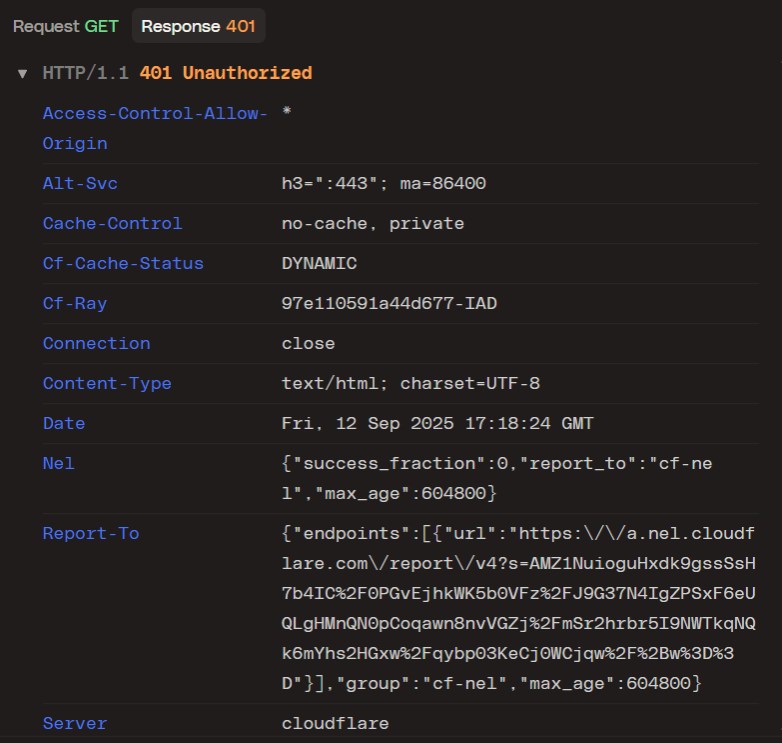
- Open the page causing the 401 error.
- Right-click anywhere on the page and select Inspect or Inspect Element.
- Go to the Network tab.
- Reload the page. You’ll see a list of network requests.
- Find the request with a 401 status (it will be red). Click on it.
- In the details pane, look for the Headers tab. This can give a developer clues about why the authentication is failing.
6. Contact the Website Administrator
The 401 and 403 errors look similar but mean different things:If you clicked on a link from an email or another website, it might be an outdated link that now points to a protected resource. Try navigating to the website’s main homepage and then finding the page you need from there.
- The URL causing the error
- The time it occurred
- The steps you’ve already tried
Security or firewall plugins can sometimes block valid logins after an update or misconfiguration. Temporarily disabling them can help identify the issue. This is a common source of WordPress errors, and it is often triggered after a recent update to a plugin, a theme, or the WordPress core itself.
Wrapping Up: Fixing 401 Errors the Easy Way
If the URL and your login details are correct, the next step is to check your browser’s stored data. Outdated or corrupted cache and cookies can cause your browser to send invalid authentication information to the server. Clearing the browser cache is a quick and easy way to fix 401 errors.Now that you understand what the 401 error is and where it comes from, it’s time to troubleshoot 401 issues and get you back in. We’ll start with the simplest solutions and work our way up to more technical fixes. Follow these steps in order, as the problem is often resolved within the first few steps.If you are experiencing the 401 error on your own WordPress site after an update, then a plugin (especially a security or firewall plugin) may be causing this error. The easiest way to check this is to deactivate WordPress plugins.The most common problem is a simple mistake in your username or password. Before trying anything else, carefully re-enter your login details.When you browse the internet, your web browser and the website’s server exchange messages to deliver the content you want to see. Most of the time, these exchanges are successful, and you never see any error codes. However, if you don’t have the necessary permissions to access a web page, you will see the 401 Unauthorized Error.