Note: in RunCloud, we use MariaDB for your database. It is an enhanced drop-in replacement for MySQL, made by the original developers of MySQL with the promise of maintaining ongoing and future compatibility with MySQL. This means every tool created for MySQL is also compatible with MariaDB, and this solution is future-proof.
Table of Contents
What is phpMyAdmin
phpMyAdmin is a web application. It is no different with other web applications that possibly have security issues or vulnerability in the future.phpMyAdmin is not the only tool that you can use to administrate your database.
Using this new feature, you can install PHPMyAdmin to your server easier than before.
Read more about phpMyAdmin alternative.Please choose “phpMyAdmin” to install the latest version of phpMyAdmin.
One-Click phpMyAdmin Install
Then, you can enter this database user & password to open your database using phpMyAdmin.
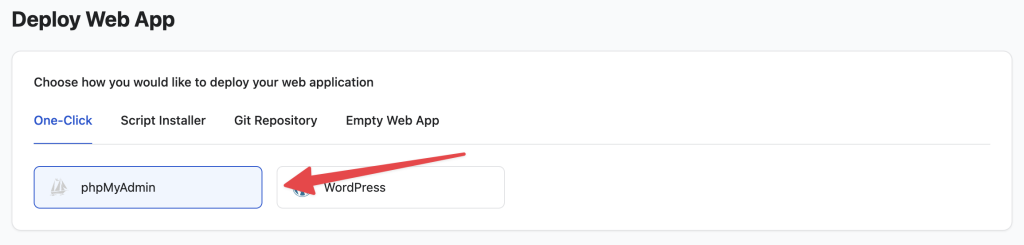
We are happy to bring One-Click phpMyAdmin feature in RunCloud for you.
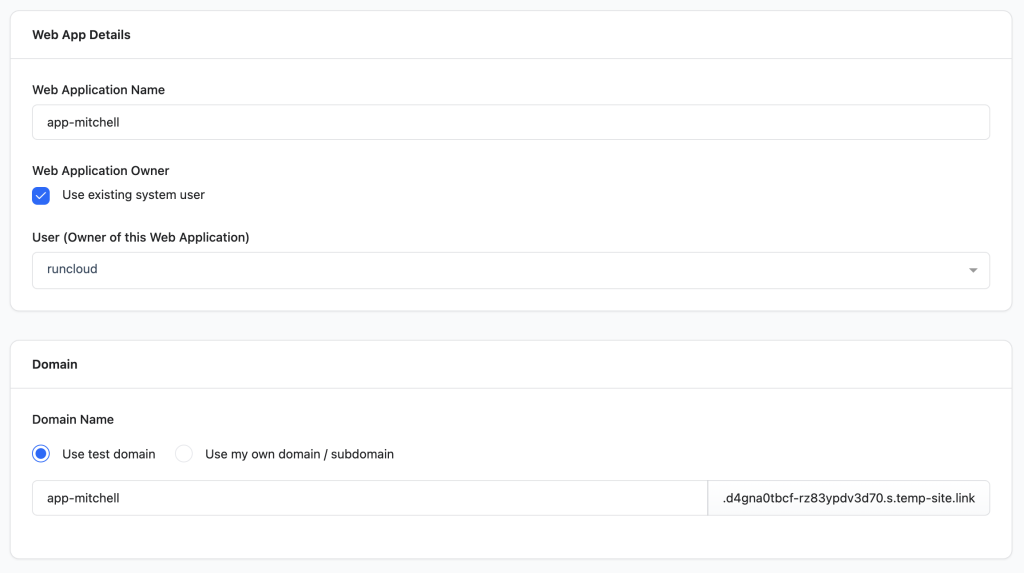
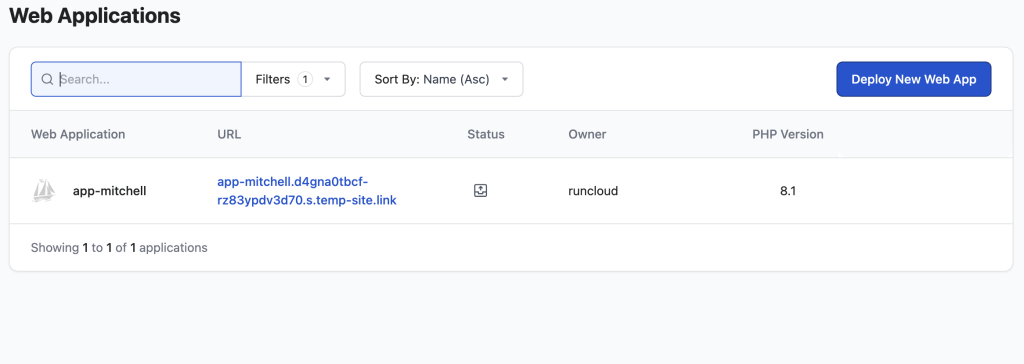
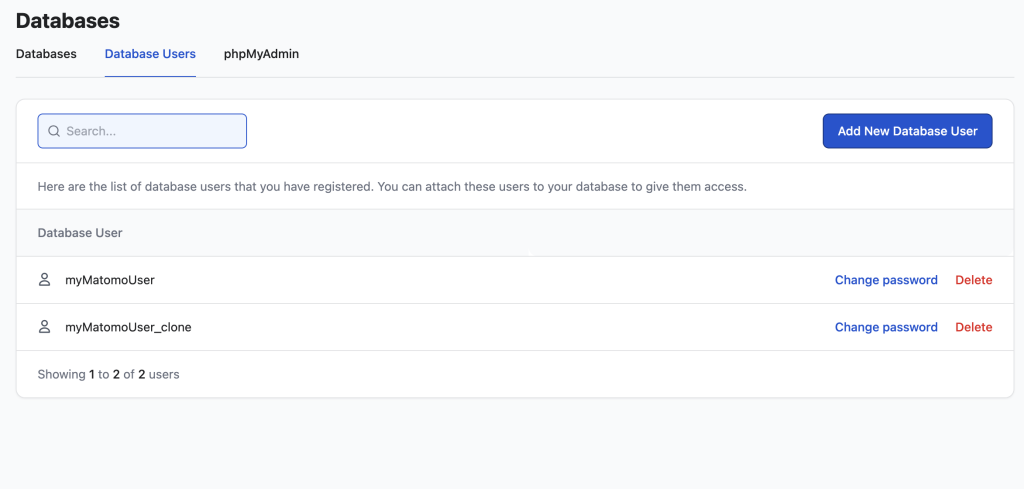
Note: you will only need one single phpMyAdmin web app to access all databases within the same server.If you want to keep using your phpMyAdmin, you can always update your phpMyAdmin to the latest version.For “Web Application Name“, for example you can use “phpmyadminapp“, feel free to use your own name.phpMyAdmin is the most popular database management tool. If you come from shared hosting, phpMyAdmin should be available from your hosting control panel.Please do not confuse between database user and system user when working on cloud server or VPS.They are two different things.2) please use the latest version of phpMyAdmin. It is always best practice to make your web app up to date for security purposes, including your phpMyAdmin site.It is best practice to use different system users for different web applications in the same server, for extra security purposes.However, when you need to access your database, you will require another database user & password. You can find the list of database users in your server under the Database menu.You can go back to the Web Applications menu, and you can see phpMyAdmin web application on the list.
Access phpMyAdmin Site
When you want to log in to your server using Terminal / PuTTY / PowerShell, or using FileZilla to access your SFTP, you will need a system user & password (or SSH Key). You can find the list of system users in your server under the System User menu.
For example, on the 22 March 2020, an SQL injection vulnerability was found and fixed in the latest v5.0.2 release.
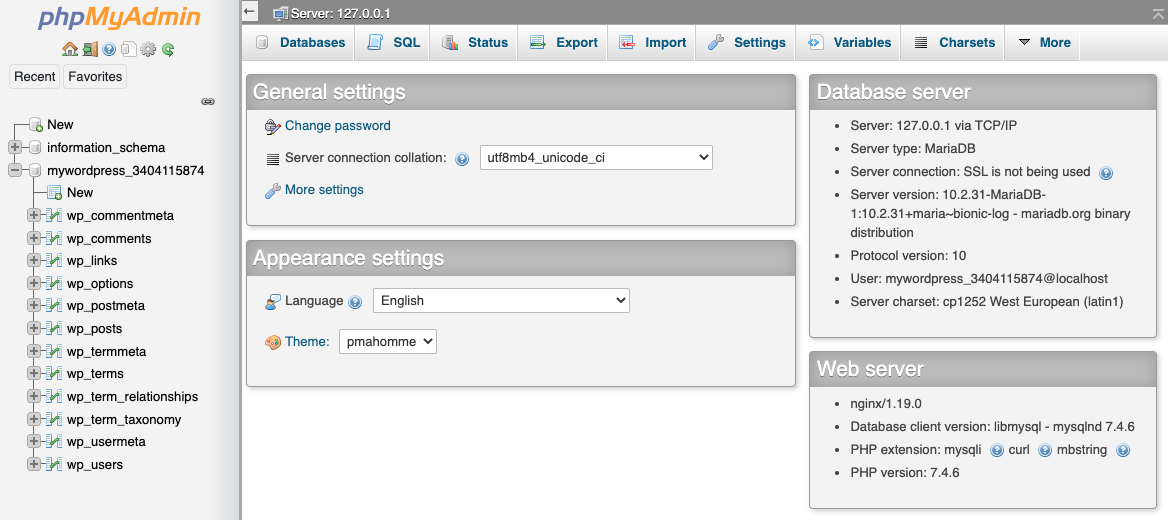
phpMyAdmin is a free PHP web-based application to manage MySQL and MariaDB database.
There are many alternatives, for example:
Find Database User and Password
For “PHP Version”, you can use PHP 8.1 (default).And if you use our One-Click WordPress Install when creating your WordPress site, you can find the database user and password in the wp-config.php file.All RunCloud users (Free, Basic, Pro, Business) can enjoy the full functionality of this feature.Below are some best practices when using phpMyAdmin in your server.
You can click the domain name to access your phpMyAdmin site.3) remove phpMyAdmin site when it is not needed. You can always create a phpMyAdmin site quickly in RunCloud anytime when you need it.With the One-Click phpMyAdmin feature, you can install phpMyAdmin for your server easier than before.

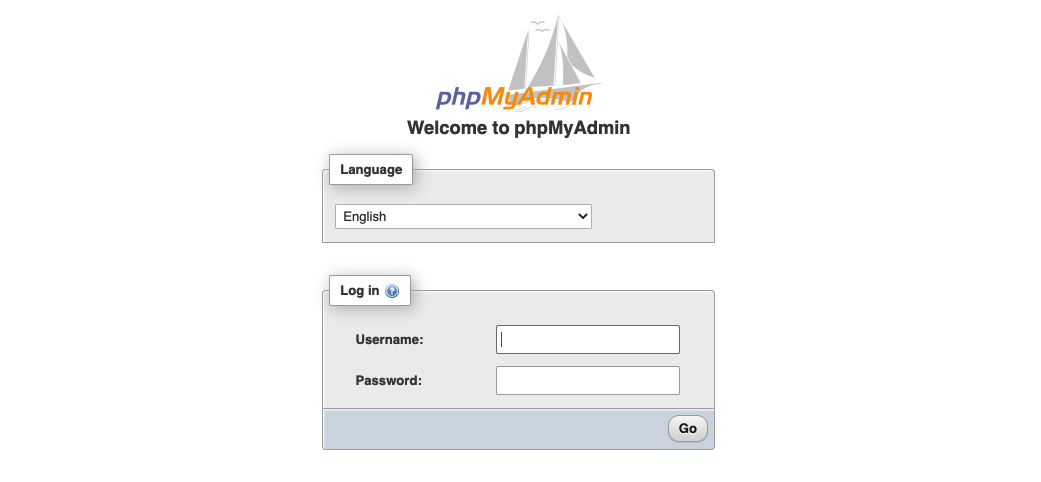
Now you will see the phpMyAdmin screen and you can enter your database user and password to open your database.
Tips – phpMyAdmin Security
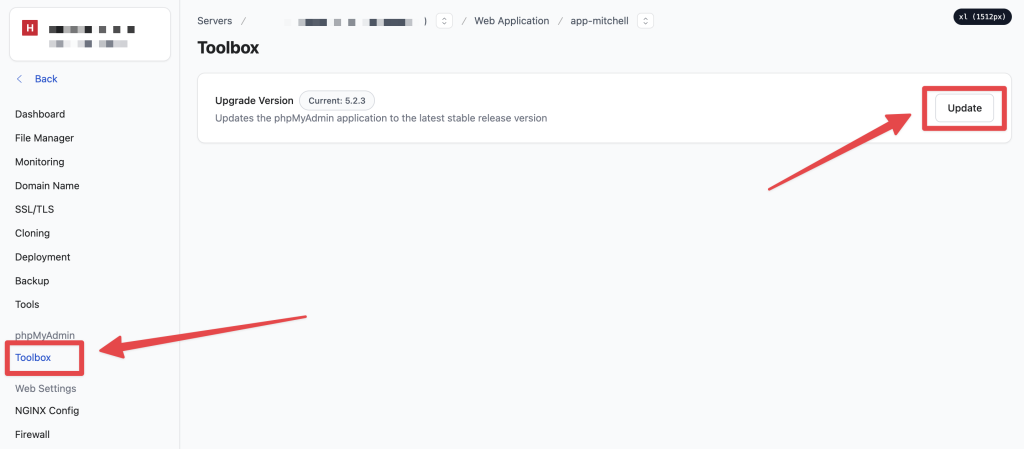
That’s it. It is very easy.Go to Tools menu to update your phpMyAdmin version anytime.

If you install any custom PHP web application, for example Mautic, you should be familiar with creating a database and database user for your web application.At RunCloud, we are all about making your dev life easier, delivering a fast service, and ensuring your server is managed properly.1) use the RunCloud test domain for your phpMyAdmin web app. It is not only because you can access phpMyAdmin instantly without having to deal with DNS records, but also the URL is unique and only you who know this site.Click “Create Web Application” to install phpMyAdmin.
Tips – Upgrade phpMyAdmin Version
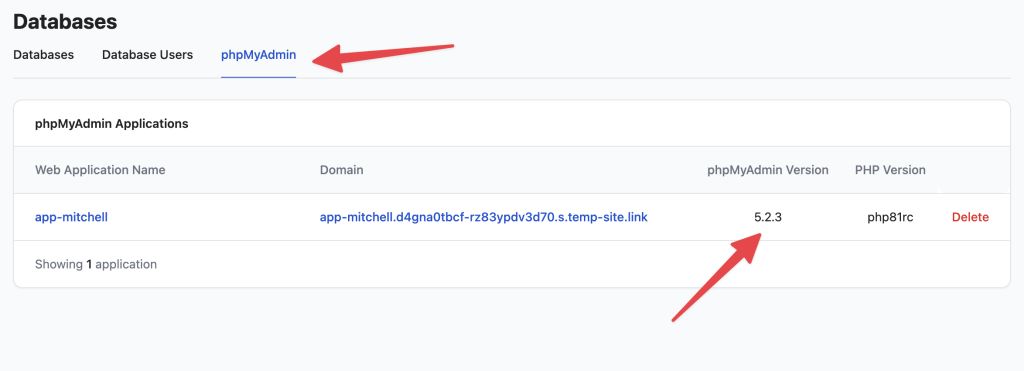
You can also see your phpMyAdmin site under the Database menu in your RunCloud server. You can also see the phpMyAdmin version of this web app.Go to the “Web Application” menu under your server in RunCloud, and click the “Create Web App“ button.
You can read our quick guide on how to add your domain.
Bonus – phpMyAdmin Alternatives
You can use the File Manager feature in RunCloud to open your wp-config.php to find your database user & password.If you decide to use your own domain, you will need to take an extra step to configure your DNS record and wait for DNS propagation.
- HeidiSQL
- MySQL Workbench
- Sequel Pro
- Adminer
For “Web Application Owner“, for example you can create new “phpmyadminuser” system user.
Summary
Go to your phpMyAdmin web application in RunCloud, and you will see phpMyAdmin Tools menu.When using a cloud server or VPS, you have to install phpMyAdmin by yourself. In this post, we will show you how to install phpMyAdmin easily using RunCloud.For “Domain name“, you can use either your own domain/subdomain or RunCloud test domain. For this example, we will use the RunCloud test domain for instant process.